Pyle PDMIC59 Reviews: See Why 0 Shoppers Rated It 0 Stars!
From guitarists to DJs, 0 Soundfindr users reviewed the Pyle PDMIC59 microphone. Check their takes on these Pyle microphones and decide for yourself.
 Supermod
 Moderator
 Recaptor
Pyle PDMIC59 Dynamic Microphone Review
When it comes to versatile microphones that cater well to beginners and enthusiasts alike, the Pyle PDMIC59 Dynamic Microphone stands out as a no-frills, reliable option aimed at live performances, studio recordings, and karaoke alike. This dynamic microphone is engineered for those seeking straightforward, dependable sound capture without the complexities of advanced features.
On paper, its design promises durability, compatibility with common audio systems, and an accessible price point that makes it especially appealing for hobbyists and emerging artists looking for solid audio performance. But how well does this humble setup meet real-world needs based on its specifications? Let's dive deep into its measurable characteristics and see what it truly offers.
Detailed Specs & Features
According to its engineering data, the PDMIC59 operates on a classic dynamic microphone design with a small diaphragm capsule, offering a frequency response range of 50 Hz to 15,000 Hz. This range targets the critical vocal spectrum, giving it the capability to reproduce human voice with clarity while naturally rolling off some lower and ultra-high frequencies.
The unidirectional cardioid polar pattern minimizes background noise by primarily picking up sound from the front, which aligns with typical stage and studio use. Its output impedance of 600 ohms is standard for dynamic mics, ensuring compatibility with most professional PA systems and mixers without signal loss. The microphone connects via a standard wired XLR interface (XLR connection), allowing stable, interference-resistant audio transmission, further enhanced by shielding against RF interference.
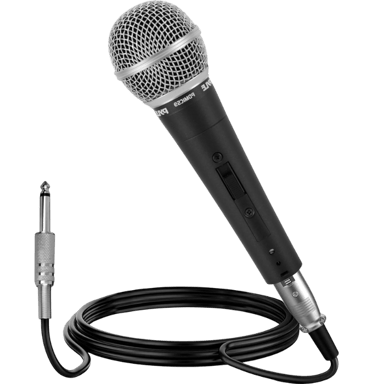
Its rugged zinc alloy body and metal grill composition stand out in the build category for resilience. Measuring 6.41 inches in height with a manageable weight of 1.44 pounds, its handheld form factor is ideal for sustained use in performances or recording sessions. Additional convenience is offered by detachable cable support and a mounting thread size compatible with most stands, revealing thoughtful engineering towards user flexibility and ease of installation.
In terms of audio output expectations, the basic internal preamp and transformerless design preserves the natural voice tone without coloration, lending itself well to a balanced analog output. While it lacks certain advanced controls such as onboard gain or EQ adjustments, its simple on/off switch still provides a straightforward interface for quick muting when needed. Plus, with a one-year warranty and certifications such as FCC, CE, RoHS, and environmental compliance, it meets basic industry safety and quality standards, reinforcing user confidence.
User Experience & Performance (Based on Specs)
Design & Build
The durable construction of the PDMIC59 is clear from the specs: crafted from zinc alloy with a tough metal grille, it's meant to withstand the typical rigors of live performances and frequent handling. The rugged metal finish contributes to its longevity, and its corrosion resistance further shows attention to durability - a standout feature expected from low-cost, entry-level devices often prone to wear.
Additionally, its built-in pop-filter and windscreen point to thoughtful sound treatment, helping reduce plosive sounds and breath noise,e effectively eliminating unwanted vocal interferences. The swivel/pivot capability, ty combined with detachable mount flexibility, ty allows users to adjust positioning without hassle, enhancing comfort during use.
Performance
From a performance perspective, the cardioid pattern coupled with a frequency response that leans towards vocal clarity makes this microphone well-suited for stage and studio applications. Its medium transient response suggests it can handle moderately quick sound changes fairly well, which is adequate for most vocal and speech scenarios.
However, features common in higher-end microphones, like noise isolation, proximity effect control, and advanced gain control, are absent, so users should expect more basic sound shaping. The output level at -54 dB and sensitivity of -59 dB indicate modest signal strength, appropriate or straightforward amplification setup, ps but maybe less ideal for subtle, nuanced studio captures that require pristine low-level detail capture.
Connectivity & Interfaces
The reliance on a wired XLR connection ensures stable performance free from wireless interference, which often plagues budget microphones. Balanced output helps in maintaining signal integrity even through long cables, while detachable cabling promotes portability and easier replacement. The absence of phantom power needs or USB compatibility marks this as a straightforward analog device designed for traditional amateur or semi-professional setups.
Extra Features
Despite lacking modern features like Bluetooth, DSP processing, or app integration, the PDMIC59 covers basic usability essentials. The absence of onboard controls and smart features may be seen as a downside for users accustomed to more technologically advanced g. Still, for beginners or those requiring a simple plug-and-play function without fuss, it's exactly what the specs promise. Environmental and safety compliance further backs its trustworthiness, reassuring users of a product built within regulated standards.
Pros & Cons
Pros
- Durable zinc alloy and metal grill build ensures long-term reliability
- Good vocal frequency response (50 Hz-15 kHz) ,ideal for clear voice reproduction
- Basic but effective cardioid polar pattern reduces background noise in live settings
- Standard XLR connectivity with balanced output for stable and interference-free audio
- Inclusion of a pop filter and a windscreen to minimize vocal artifacts
Cons
- Lacks advanced controls like gain, EQ adjustment, and onboard monitoring
- No wireless or USB connectivity options available, limiting modern setup compatibility
- Absence of advanced audio processing features like noise cancellation or DSP
Price & Value for Money
At just $19.99 at Amazon, the Pyle PDMIC59 presents an attractive entry point for budget-conscious buyers seeking a dependable microphone for everyday live or studio use. Given its one-year warranty and solid material construction, the pricing feels justified against its uncomplicated feature set. It's best suited for beginners or users needing a durable, no-nonsense handheld mic without the bells and whistles expected from high-end models. Those requiring advanced digital features or wireless operation might want to look elsewhere, but for straightforward, robust vocal capture, this price-to-performance ratio is hard to beat.
Quick Take
In short, the PDMIC59 excels in delivering basic vocal clarity with durability and essential live-use features at a remarkably affordable price. If we look at the numbers alone, it fits perfectly for beginners and casual performers who want a simple, hard-wearing cardioid dynamic microphone with reliable XLR connectivity.
Closing Recommendation
The Pyle PDMIC59 may be ideal for those entering the world of vocal performance or recording who need a straightforward tool that withstands regular use and prioritizes vocal fidelity. It appears to perform best for live singing, karaoke, and general speaking assignments where high sensitivity and advanced audio controls are not critical. This microphone helps users achieve clear, focused capture without overcomplication, backed by sufficient quality certifications and built standards.
Verdict
Rating: Based on the specifications and overall feature set, we believe Pyle PDMIC59 deserves 3.7 out of 5.
- Winner Feature => Durable metal construction combined with a well-tailored cardioid pickup makes it exceptionally rugged and suited for vocal clarity in live environments.
- Needs Improvement => Lack of modern connectivity options, onboard controls, and advanced processing capabilities limit its appeal for pro-level studio use or modern wireless setups.
Reviews 0
The good, the bad, and the brutally honest.Average Rating


More Microphones 1229
Unlock more awesome finds.